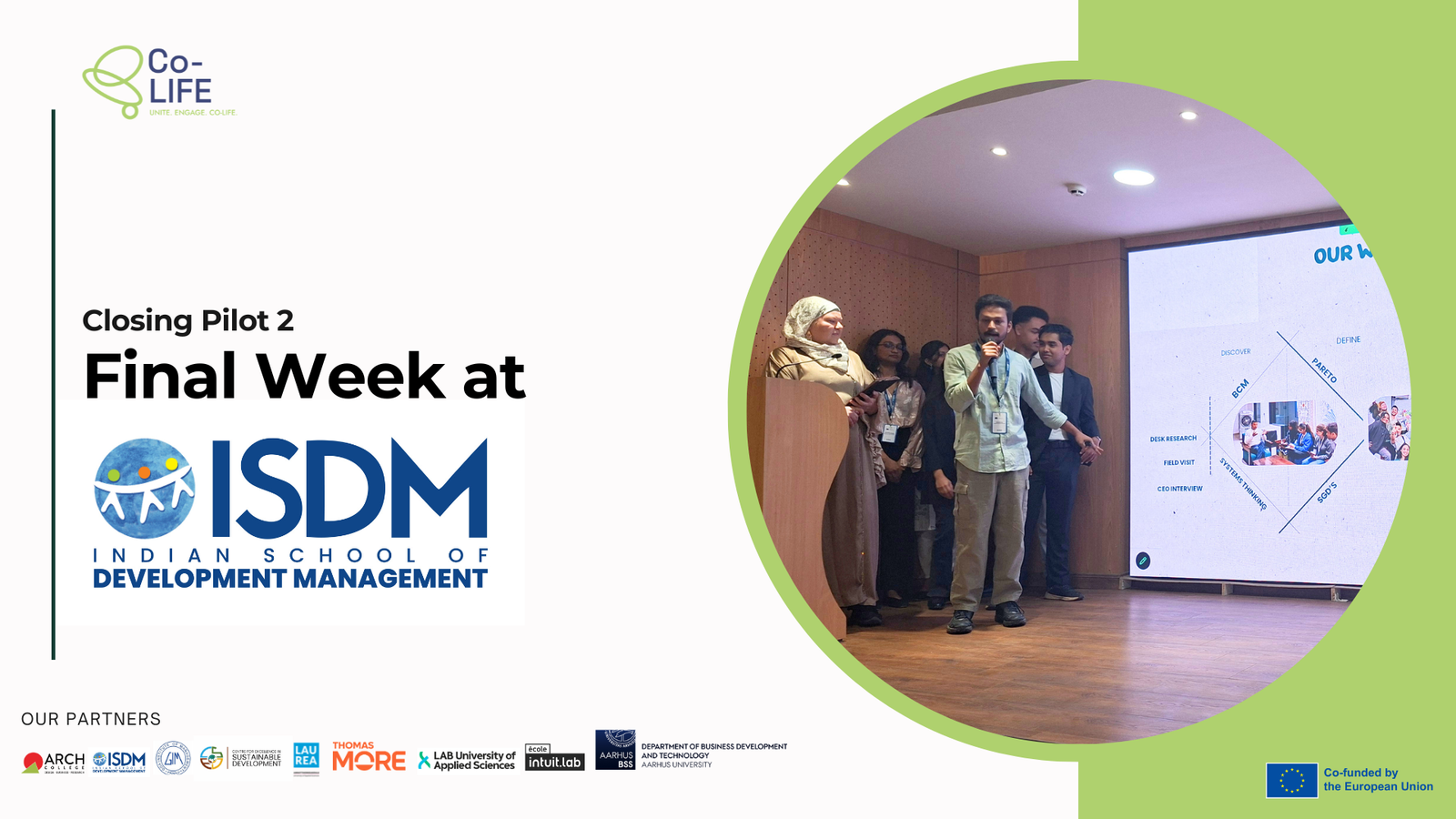
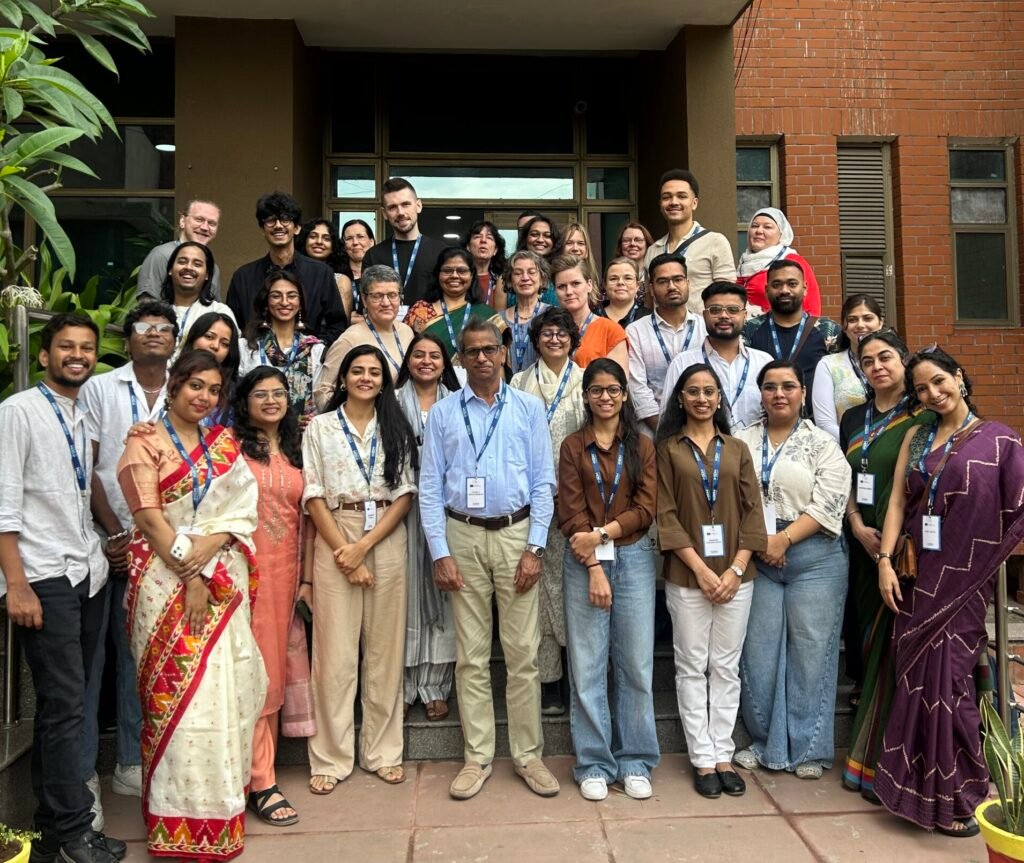
The final week of Co-LIFE Pilot 2 was held at the Indian School of Development Management (ISDM), Noida, bringing together all participating student teams, mentors, and enterprise partners.
The week was marked by a strong sense of focus and collaboration, as students transitioned from weeks of virtual coordination to working together in person. With participants from multiple institutions across India and Europe, the diversity of perspectives was clearly reflected in both the working process and the final outputs.
Exposure to Circular Economy in Practice
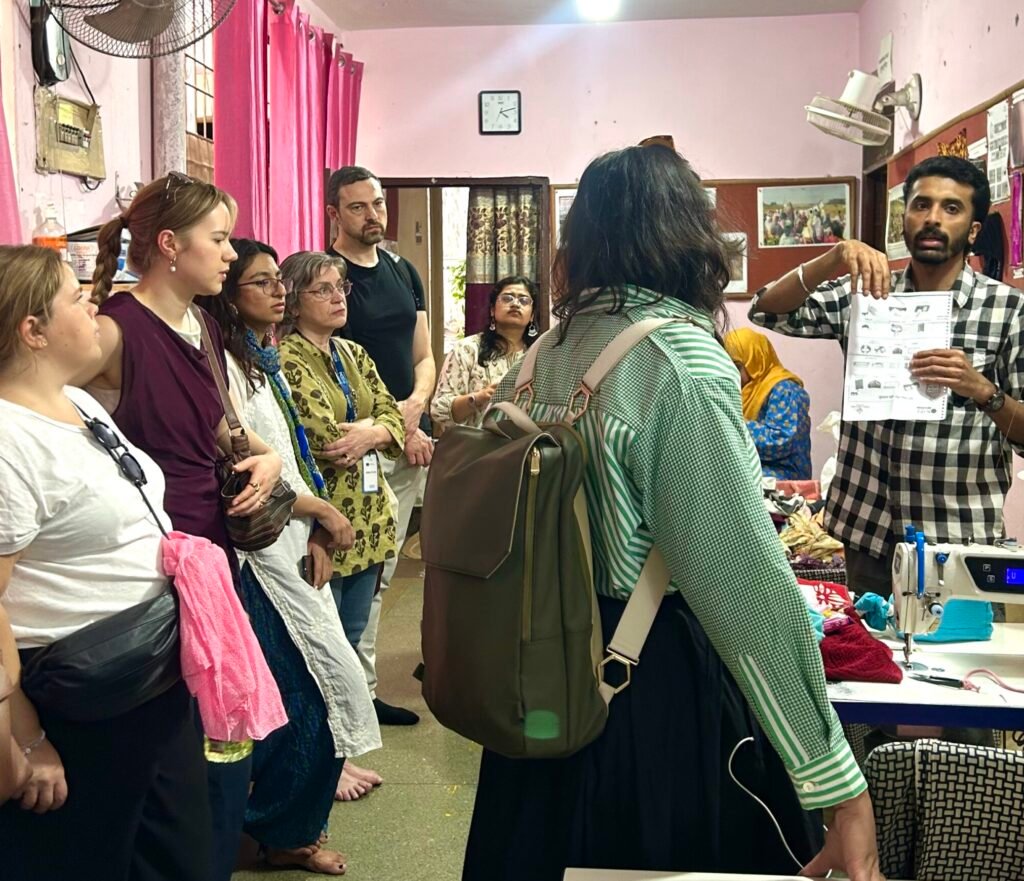
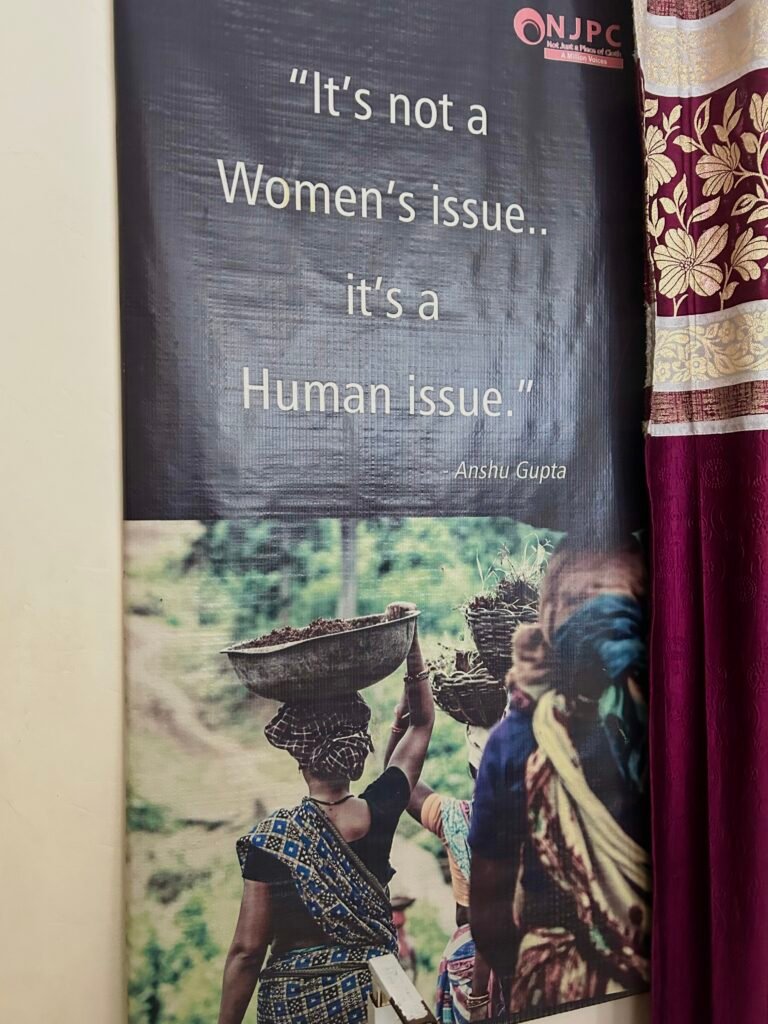
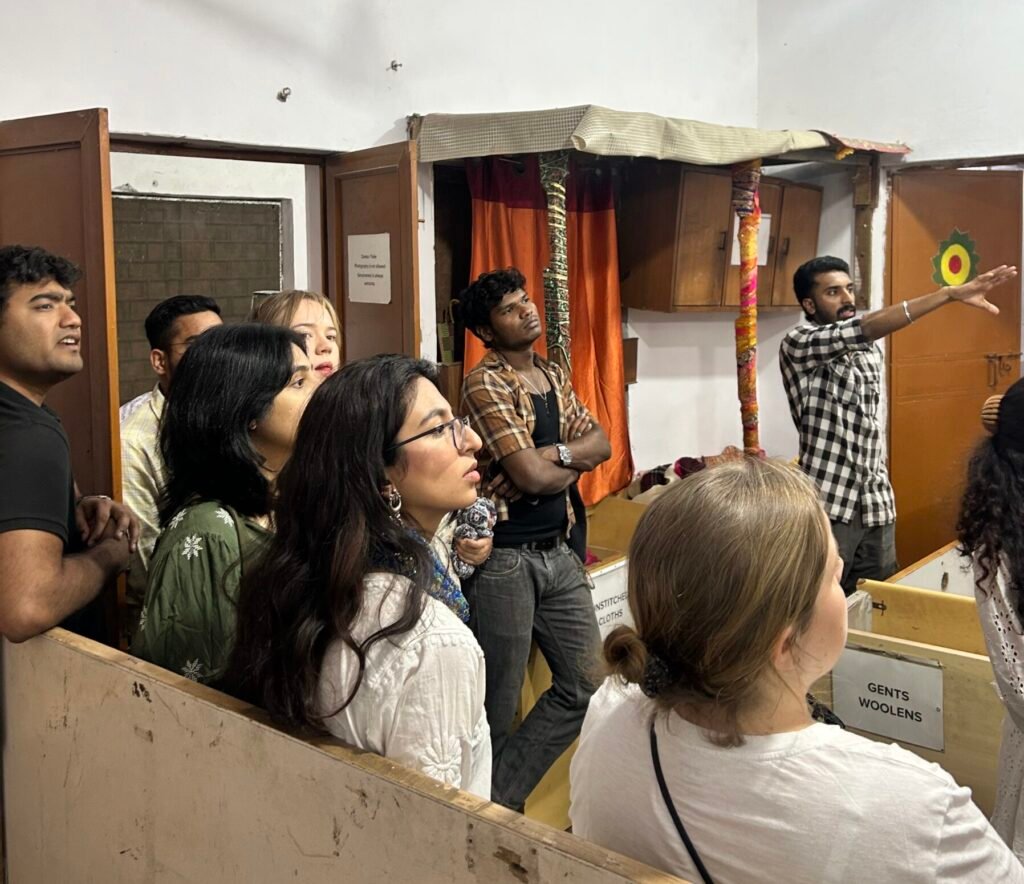
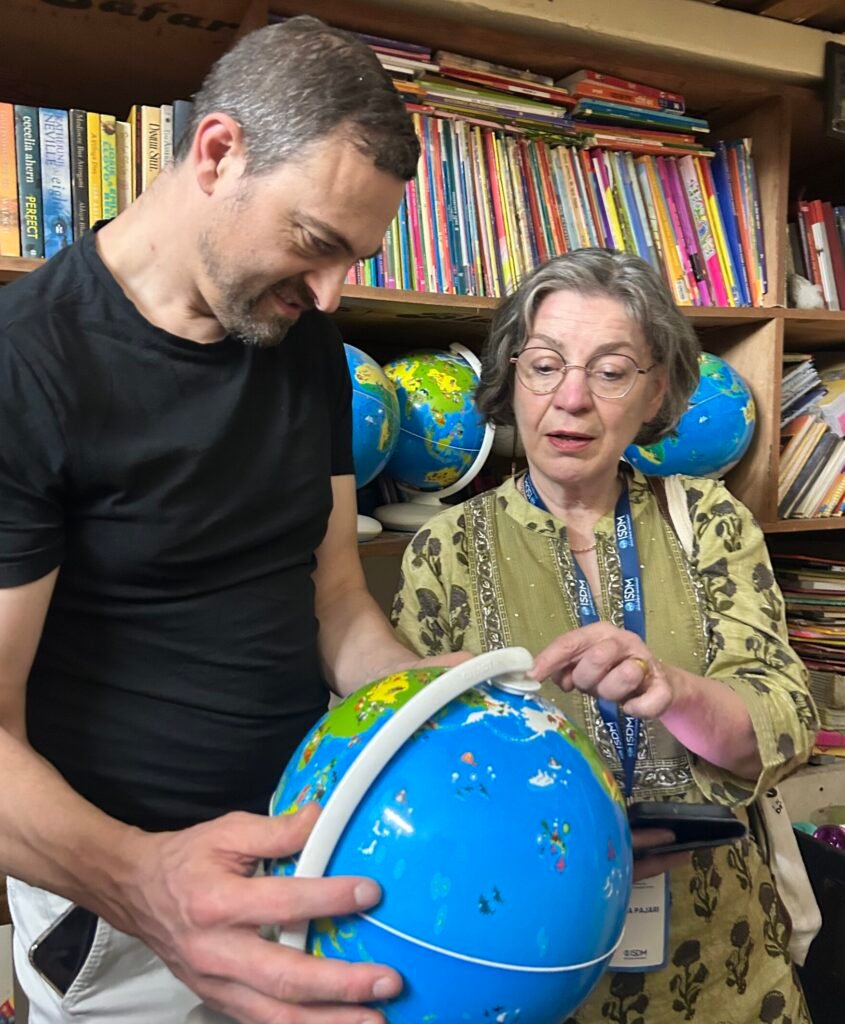
As part of the week’s activities, students and mentors visited the Goonj collection centre to understand how circular systems operate in practice.
The visit provided insight into how underutilised urban materials—particularly cloth—are collected, processed, and redistributed to support community development initiatives across India. Goonj’s approach to linking urban surplus with rural needs, while maintaining a focus on dignity and equity, offered a practical perspective on circularity beyond theoretical frameworks.
Final Presentations
The central component of the week was the series of final presentations. Each student team was allotted 20 minutes to present their work, followed by feedback from mentors and case owners.
The solutions presented were detailed and grounded, covering areas such as strategy, marketing, operations, and sustainability frameworks. Teams demonstrated a clear understanding of the enterprises they had engaged with, along with an ability to translate research and discussions into structured recommendations.
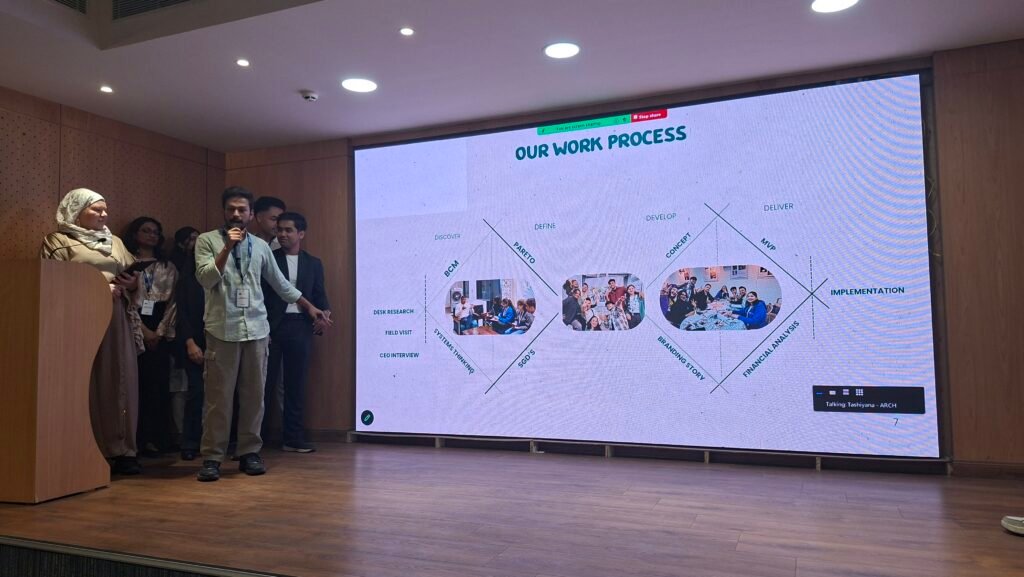
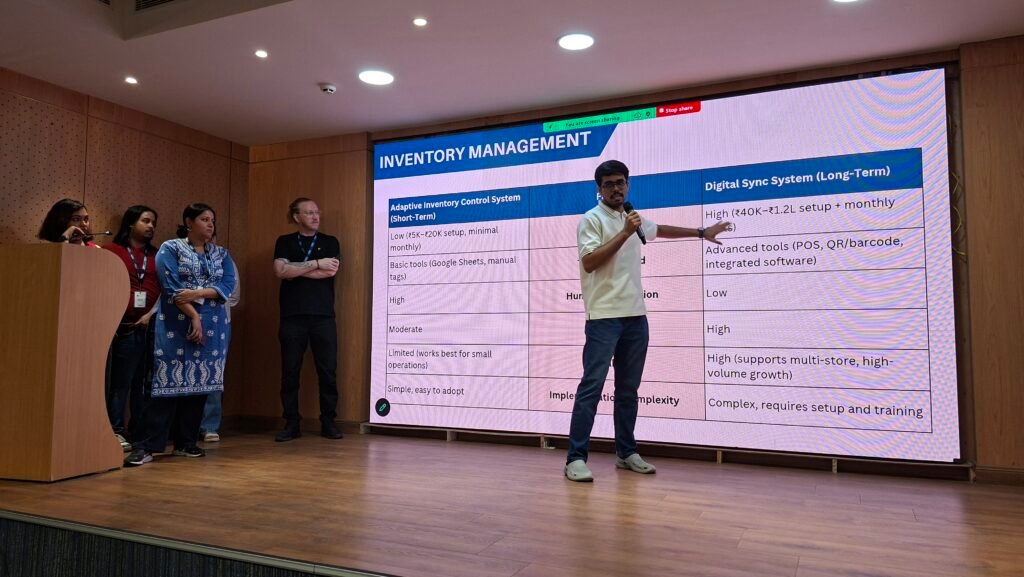
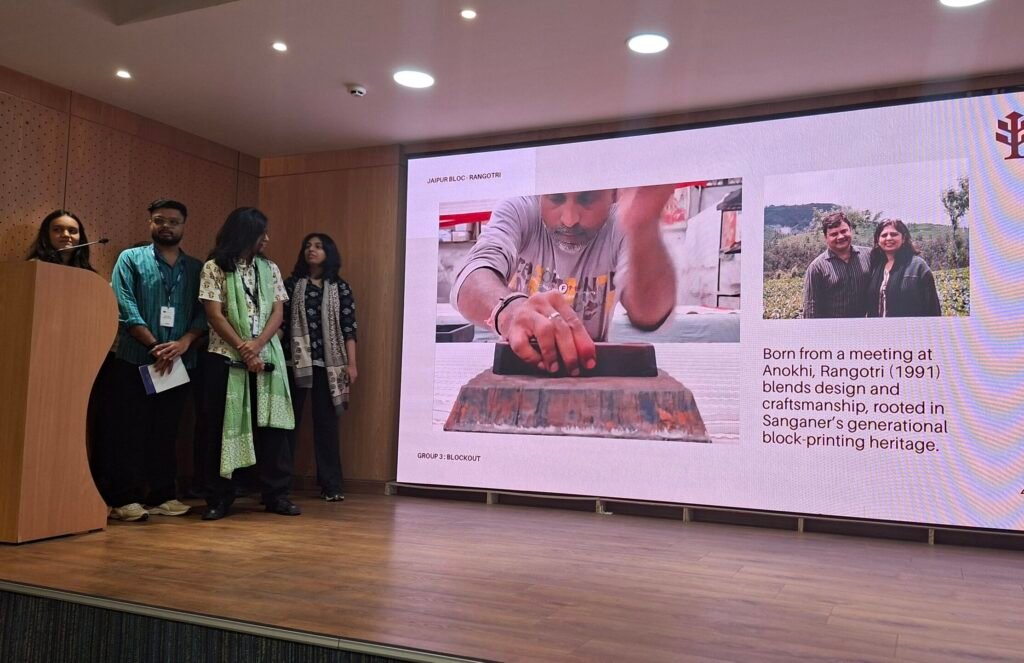
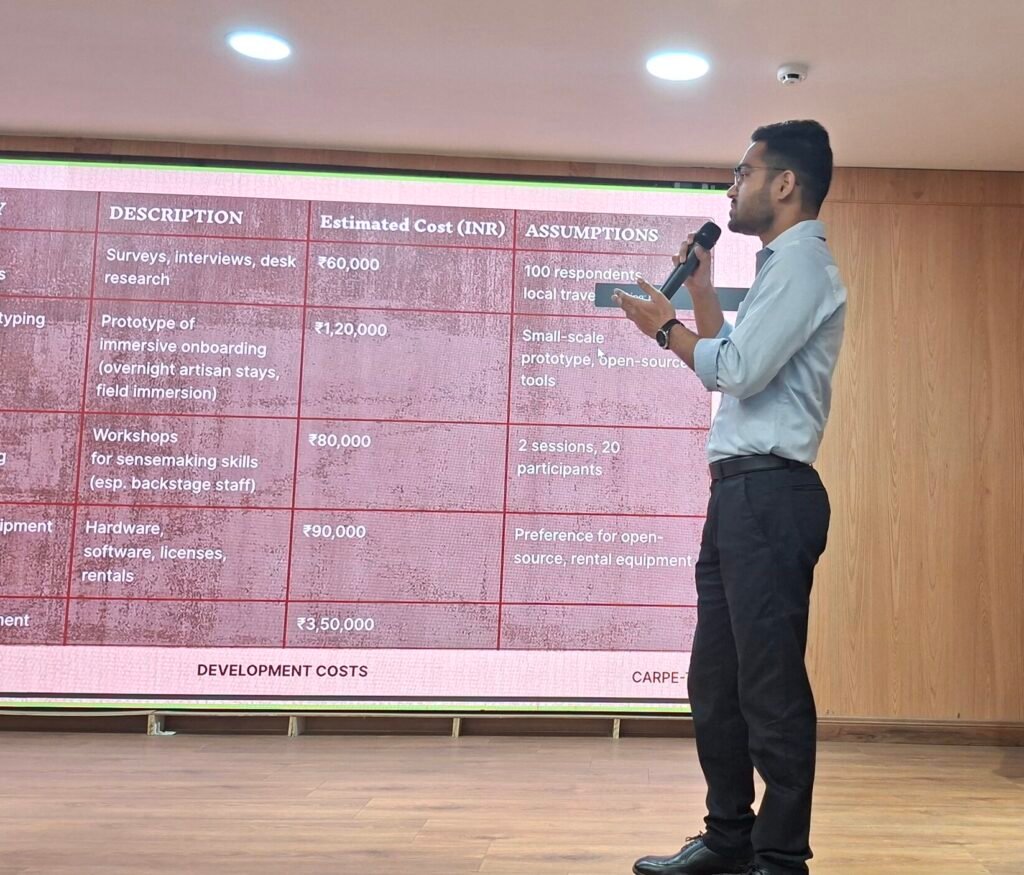
All participating enterprises were represented during the presentations, allowing for direct engagement between students and stakeholders. The feedback sessions focused on feasibility, implementation, and relevance, contributing to a more applied and outcome-oriented discussion.
Collaboration in Practice
The shift from online to in-person collaboration had a noticeable impact on team dynamics. Discussions were more immediate, iterations were quicker, and teams were able to refine their work more effectively within a limited timeframe.
Students approached the final phase with a high level of engagement, working closely within their groups and maintaining a consistent focus on strengthening their outputs.
Learning Outcomes
By the end of the week, there was a visible progression in how students approached problem-solving and presented their ideas. The work reflected a stronger alignment with real-world constraints and a more integrated understanding of business and sustainability considerations.
The presentations also highlighted the role of cross-cultural collaboration in shaping perspectives and approaches to the problem statements.
Closing Note
The final week at ISDM brought together the different stages of Pilot 2 into a cohesive conclusion. It marked the completion of the student-led work as well as the culmination of a collaborative process involving multiple institutions, mentors, and enterprises.
With both pilots of Co-LIFE now completed, the outcomes and insights from this phase provide a strong foundation for future dissemination and continued engagement.
Overall, the week served as a fitting close to an intensive and collaborative journey.