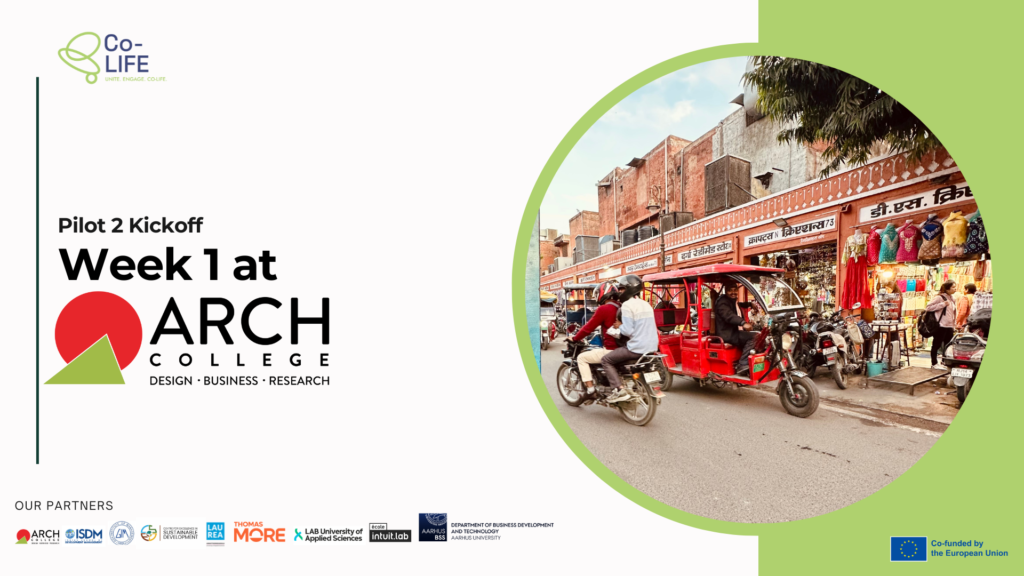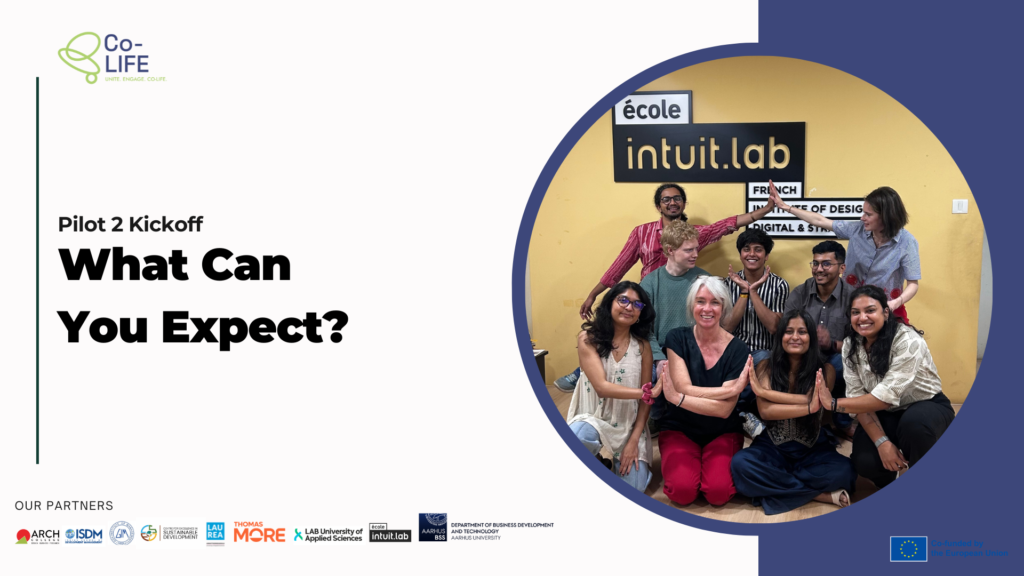
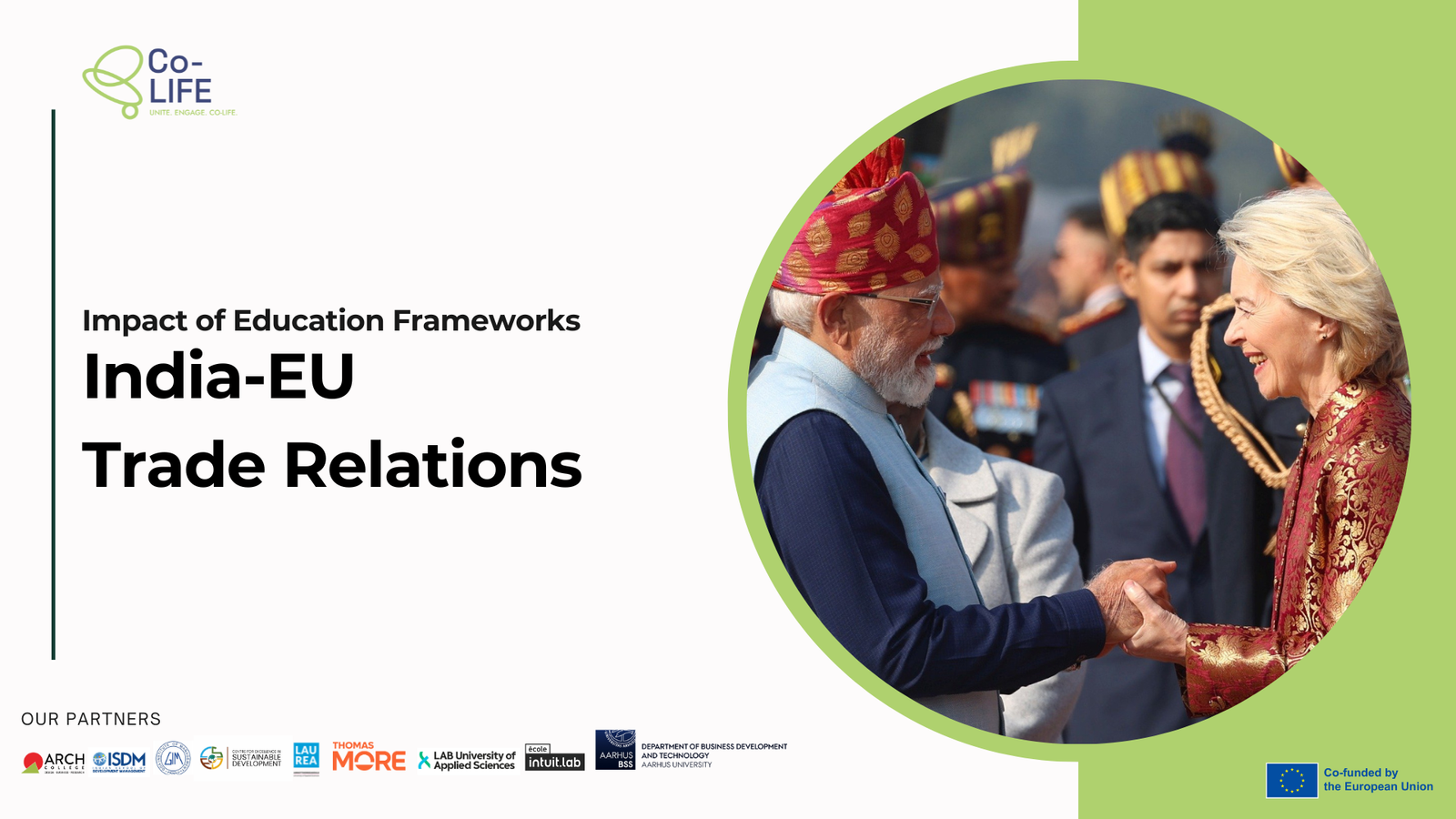
On January 27, 2026, India and the European Union concluded their long-anticipated free trade agreement. Coincidentally, this was also the day Co-LIFE Pilot 2 kicked off in Jaipur, grounding a policy milestone in a learning environment shaped by the same global shifts that define today’s economy.
In a world increasingly influenced by climate pressures, changing supply chains, and new ideas of growth, this agreement is the blueprint of what’s to come next. With India now the world’s fastest-growing major economy, the agreement brings together a combined market of nearly two billion people, opening pathways for collaboration across trade, innovation, and sustainability.
European Commission President Ursula von der Leyen called it “the mother of all trade deals,”, while European Council President Antonio Costa reaffirmed that India and the EU “stand together as strategic and reliable partners,” committed to building a more resilient and stable global order.
Which is why this is the perfect moment to ask some grounded questions:
- How will this momentum translate into real business outcomes?
- How will enterprises and entrepreneurs leverage these new frameworks?
- And are we adequately preparing the next generation to work within this evolving economic landscape?
Costa’s emphasis on green energy and future-focused cooperation reflects a global shift toward growth that is inseparable from responsibility. The agreement reinforces a clear reality: economic integration must be built on systems thinking, impact, and accountability.
This is where initiatives like Co-LIFE become especially relevant. As India and the EU align, the need for education models that equip students to understand and act on these opportunities has never been more pressing.
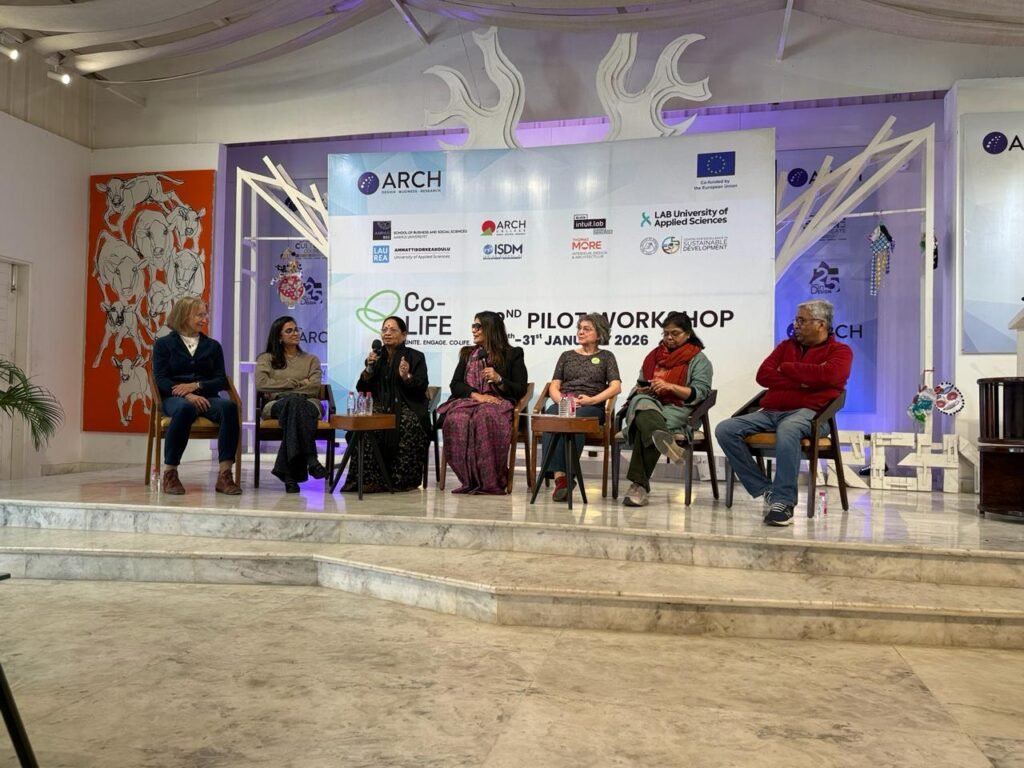
By bringing Indian and European institutions together to co-design learning around impact-focused entrepreneurship, Co-LIFE bridges policy and practice where it matters the most: the classroom. It prepares learners to navigate global markets and build enterprises that balance economic ambition with social responsibility.
As trade agreements reshape the global economy, the future will be shaped not by policy alone, but by the people trained to lead within it.