22 September 2026 | Lahti, Finland
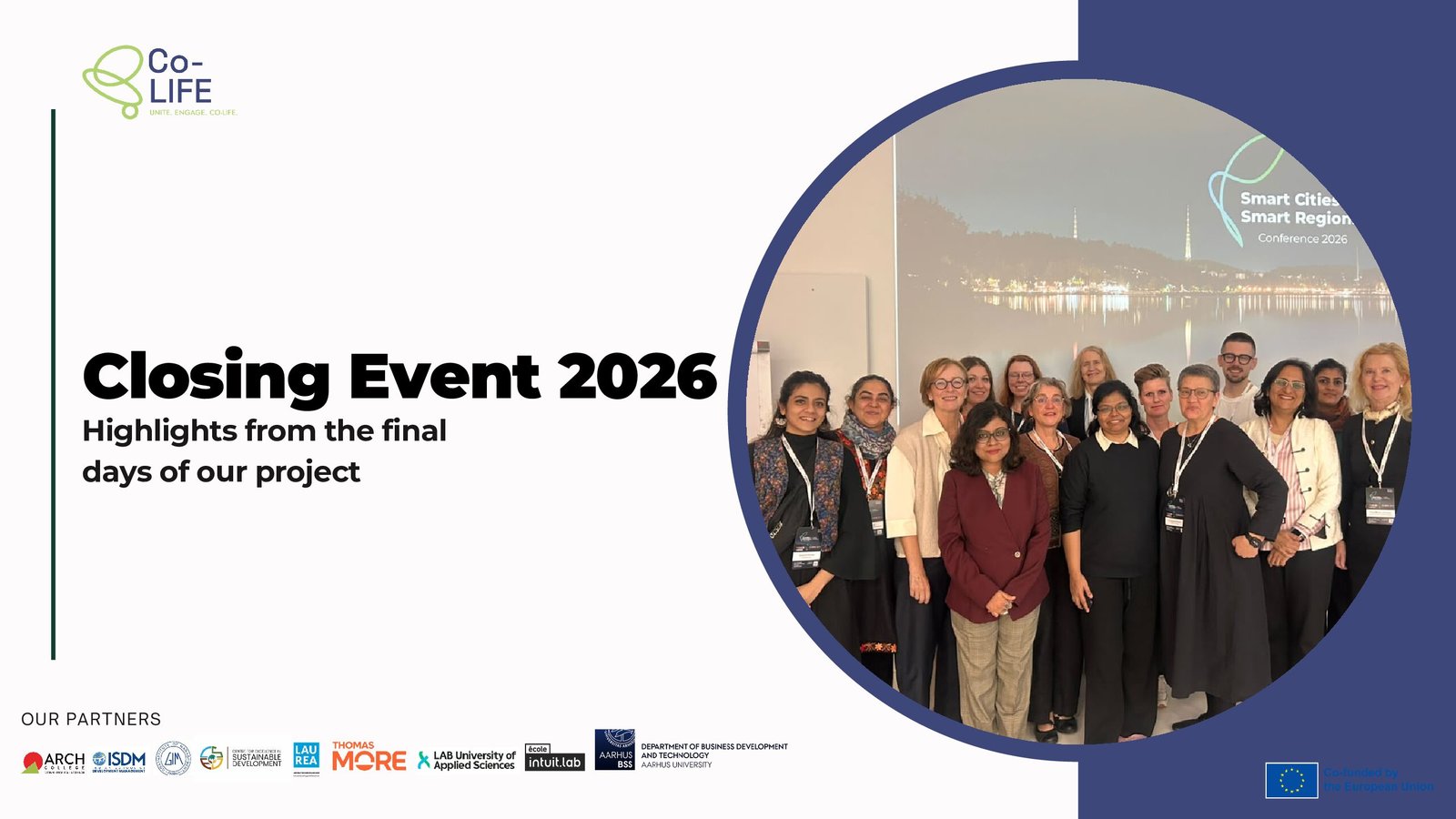
The Co-LIFE project marked the culmination of three years of cross-border collaboration with its Closing Seminar at LAB University of Applied Sciences in Lahti, Finland. The event brought together project partners to reflect on the journey, share key outcomes and discuss the future of Impact-Focused Entrepreneurship (IFE) education.
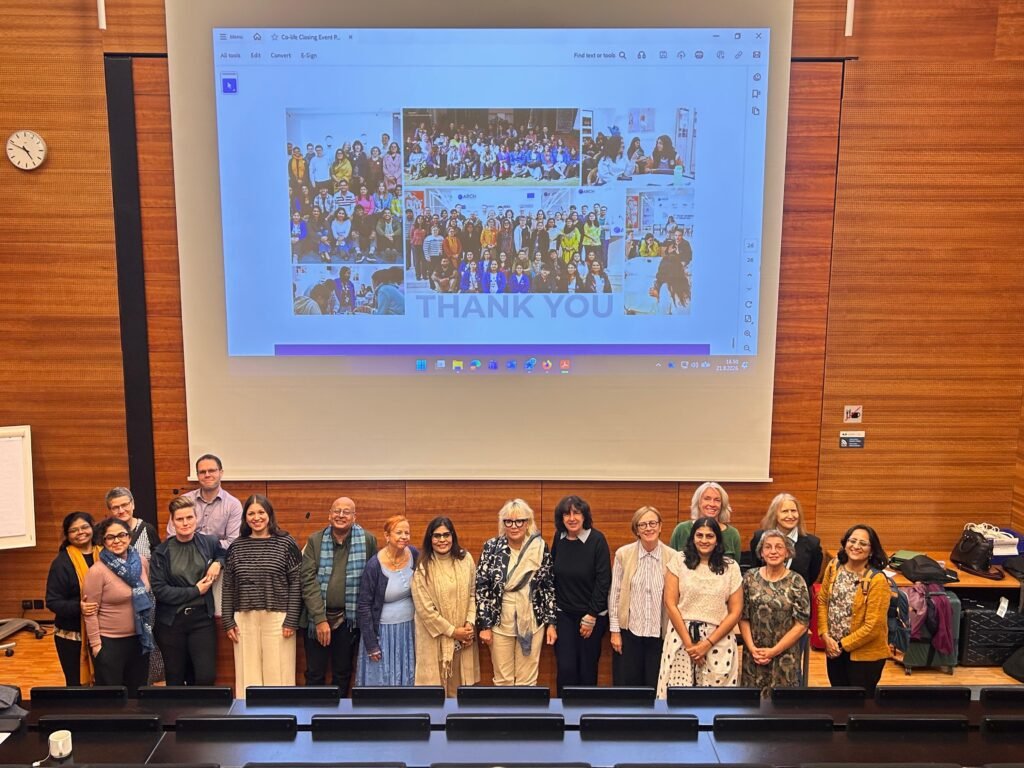
The seminar featured reflections from work package leaders, offering insights into how the curriculum was developed, student teams were formed, and the learning model was implemented through international course pilots.
The reflections traced Co-LIFE’s journey from educator development to curriculum design and implementation. Arpita Amarnani from Goa Institute of Management (GIM) spoke about the Faculty Development Programme (FDP) and its role in equipping educators to teach IFE. Building on the project’s implementation, Olga Rantanen from LAB University of Applied Sciences, Finland, shared insights into coordinating an international project across institutions, countries and timelines, while Eva Sørum Poulsen from Aarhus University – Department of Business Development and Technology reflected on the course pilots, project meetings and collaborative learning process. Turning to the educational framework itself, Nansi Van Geetsom from Thomas More University of Applied Sciences discussed curriculum development. Finally, Archana Surana from ARCH College of Design & Business looked beyond the project, considering how Co-LIFE’s outcomes could inform future initiatives in impact-focused and sustainability-oriented education.
Together, these discussions highlighted the journey from a shared vision to practical learning experiences. Key outcomes included a 6 ECTS Impact-Focused Entrepreneurship course, learning materials, real-life company cases, international course pilots and faculty development activities. These initiatives explored how entrepreneurship education can connect financial viability with measurable social and environmental impact.
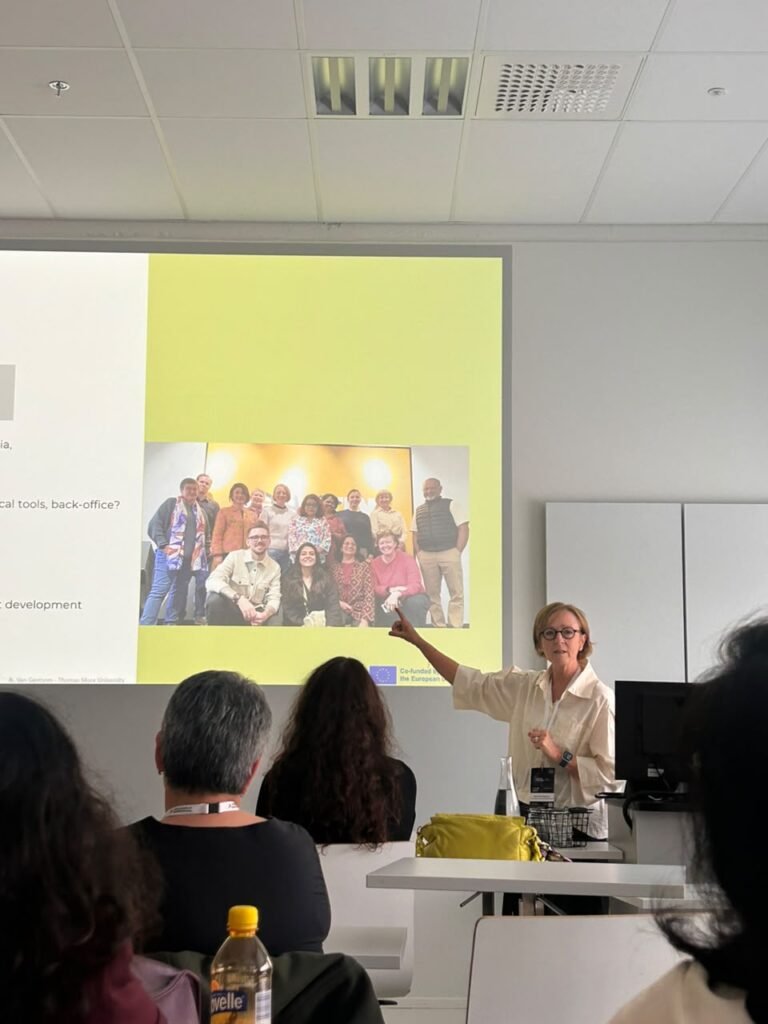
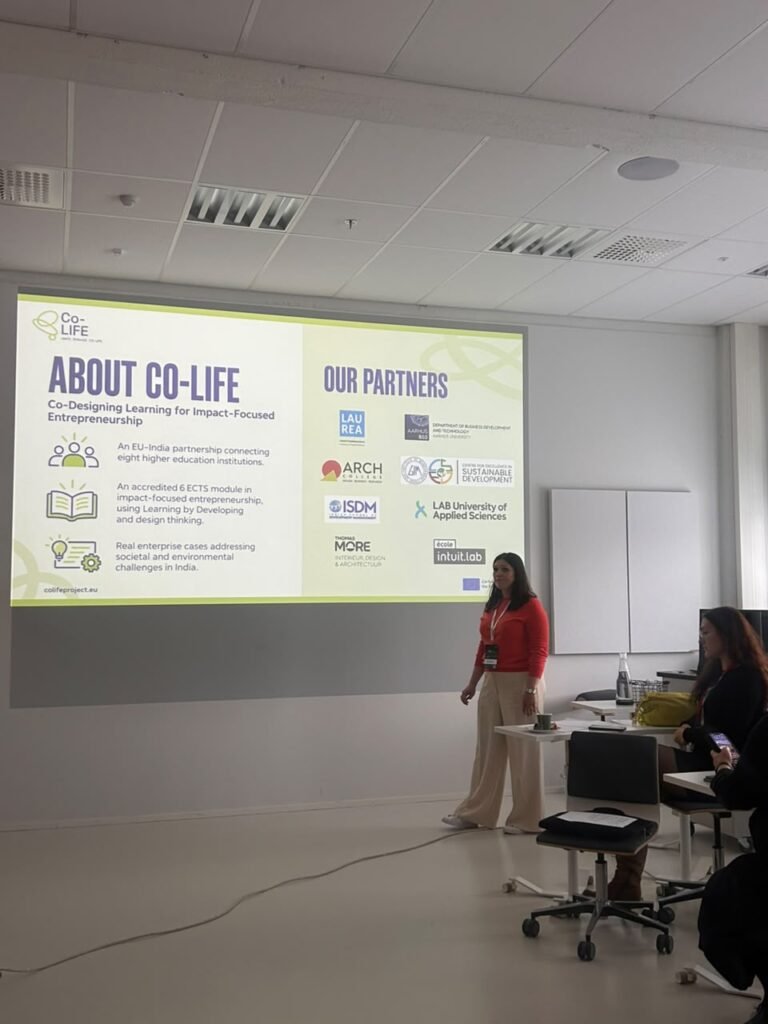
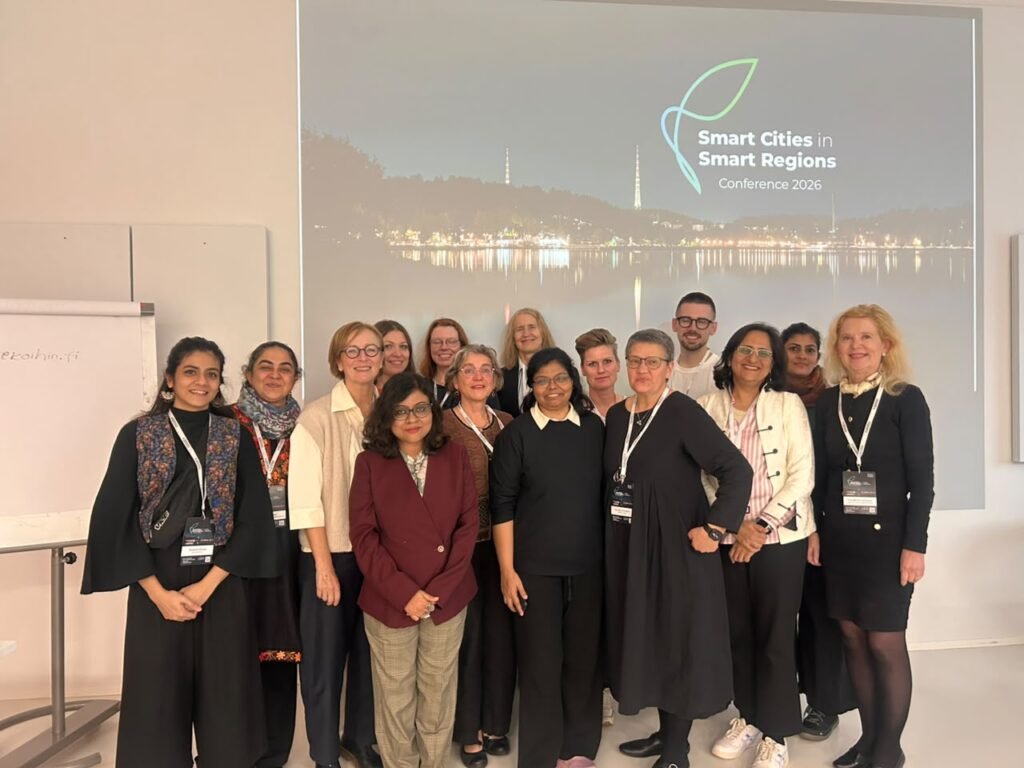
The closing seminar was also held as part of the Smart Cities Conference, creating an opportunity for LAB University of Applied Sciences to host the Co-LIFE partners in Finland and connect the project’s work with broader conversations on sustainable development.
Beyond the seminar, visits to local organisations gave partners a practical understanding of sustainable waste management and processing. These visits extended the project’s focus on real-world sustainability challenges beyond the classroom, connecting educational approaches with practices in the wider community.
Over three years, Co-LIFE brought together eight higher education institutions across Finland, Denmark, Belgium and India to co-design, pilot and strengthen approaches to IFE education. As the project concludes, its curriculum, learning resources, institutional partnerships and shared experiences provide a foundation for further work in entrepreneurship education that responds to real-world social and environmental challenges.
While the Co-LIFE project has reached its conclusion, its learning resources, cross-border connections and shared commitment to impact-focused entrepreneurship offer a starting point for future educational initiatives.